
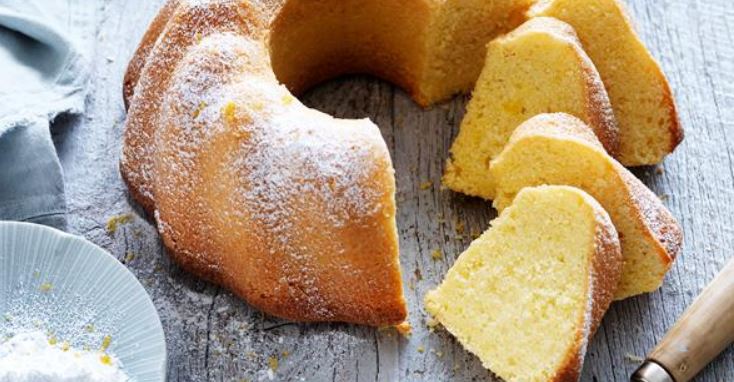

Sand Cake, with its delicate crumb and rich flavor profile, is a classic testament to the timeless appeal of simple yet sublime desserts. Its name, evoking the texture of fine sand and the warmth of traditional baking, hints at the unique characteristics that make this cake a beloved treat. In exploring the history and story behind Sand Cake, we unveil a narrative of culinary tradition and the pursuit of perfection in baking.
Sand Cake, like many traditional recipes, has roots that stretch back through generations of bakers and home cooks. It captures the essence of simplicity and quality, showcasing how a handful of carefully chosen ingredients can yield a dessert that satisfies both the palate and the soul.
The history of Sand Cake is intertwined with the evolution of baking practices, reflecting the values of using locally available ingredients to create memorable treats. As baking techniques advanced over time, Sand Cake became a canvas for creativity, allowing bakers to experiment with flavors and variations while maintaining its core qualities.
As families passed down recipes, the art of baking Sand Cake became a cherished tradition. It was often baked for special occasions, family gatherings, and moments of joy. The process of creaming Crisco and sugar, incorporating eggs, and folding in cornstarch became a ritual that connected generations and celebrated the joy of sharing food with loved ones.
INGREDIENTS
- 1 cupful Crisco
- 5 eggs
- 1 cupful sugar
- 1 teaspoonful salt
- 1/2 lb. cornstarch
- 1 teaspoonful lemon extract
INSTRUCTIONS
Creaming and Preparing the Batter:
- Creaming Crisco and Sugar: Cream the Crisco and salt together until the mixture is smooth and light.
- Incorporating Sugar: Gradually add sugar to the creamed Crisco while continuously beating the mixture. This step ensures a well-incorporated and airy batter.
- Adding Eggs: Add the egg yolks one by one, beating well after each addition. Incorporating eggs gradually helps achieve a homogenous mixture.
- Incorporating Cornstarch: Add cornstarch to the batter, adding it by tablespoonfuls. Continue to mix until the cornstarch is fully integrated into the mixture.
- Adding Flavor: Incorporate the lemon extract into the batter, infusing it with a bright and zesty flavor.
- Beating Egg Whites: In a separate bowl, beat the egg whites until they reach a stiff froth.
- Folding Egg Whites: Gently fold the beaten egg whites into the batter. This step contributes to the cake’s light and airy texture.
Baking the Cake:
- Preparing the Pan: Line a cake tin with parchment paper, ensuring that it’s well-fitted to the shape of the tin.
- Pouring the Batter: Carefully pour the cake batter into the prepared cake tin.
- Baking: Bake the Sand Cake in a moderate oven for approximately three-quarters of an hour. The cake should be golden brown, and a toothpick inserted into the center should come out clean.
- Sand Cake embodies the essence of traditional baking, where a few fundamental ingredients and a touch of expertise create a dessert that stands the test of time. As you savor a slice of Sand Cake, you’re indulging in a culinary heritage that has been cherished and perfected through generations. This cake is a celebration of simplicity, showcasing how the art of baking can bring people together and create moments of joy and connection.


