
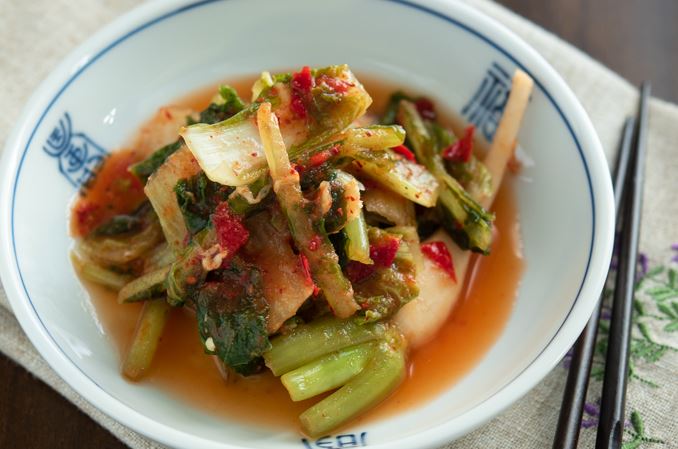

Summer kimchi is a variation of the traditional Korean fermented vegetable dish, kimchi, specifically prepared to be enjoyed during the summer months. It is a vibrant and refreshing version of kimchi that features seasonal vegetables and a lighter, crispier flavor profile compared to the traditional winter kimchi.
Kimchi has been a staple in Korean cuisine for centuries and holds great cultural and historical significance. It is believed that the origins of kimchi can be traced back over 2,000 years to ancient Korea, where people needed a way to preserve vegetables for the long, harsh winters. Fermenting the vegetables not only extended their shelf life but also provided valuable nutrients and probiotics during the colder months when fresh produce was scarce.
Over time, kimchi evolved and adapted to different seasons and regional preferences. Summer kimchi emerged as a variation that embraced the bountiful harvest of seasonal vegetables and catered to the desire for lighter, more refreshing flavors during the hot summer months.
Summer kimchi typically features vegetables that are abundant during the summertime, such as napa cabbage, cucumbers, radishes, and green onions. The fermentation process for summer kimchi is shorter compared to the winter version, resulting in a crisper texture and a milder, less pungent flavor. The seasoning is often lighter, with a delicate balance of tanginess, sweetness, and spiciness.
While the core ingredients of summer kimchi remain similar to traditional kimchi, there can be regional and personal variations based on local produce availability and individual preferences. Some common ingredients found in summer kimchi include:
- Napa cabbage
- Cucumbers
- Radishes
- Green onions
- Garlic
- Ginger
- Red chili flakes or chili paste
- Fish sauce or salted shrimp paste (for umami flavor)
Summer kimchi is typically served as a side dish or a condiment alongside a Korean meal. It adds a refreshing and tangy element to the table and complements a variety of dishes. It can also be used as an ingredient in other Korean recipes, such as kimchi fried rice, kimchi pancakes, or kimchi stew.
Summer kimchi reflects the vibrant and dynamic nature of Korean cuisine, adapting to the changing seasons and celebrating the flavors of fresh, seasonal vegetables. It is a delicious and nutritious addition to the culinary traditions of Korea and continues to be enjoyed by people around the world.
PREP: 30 MIN. + CHILLING
MAKES: 10 CUPS
INGREDIENTS
- 1 head Chinese or napa cabbage, chopped
- ⅓ cup plus 1 tablespoon kosher salt, divided
- 1 large cucumber, peeled and thinly sliced
- 12 radishes, thinly sliced
- 4 green onions, chopped
- 3 large garlic cloves, thinly sliced
- 1 piece peeled fresh gingerroot (1 inch), sliced
- 3 quarts water
- ¼ cup rice vinegar
- 1 tablespoon Asian red chili paste
INSTRUCTIONS
- Place the chopped cabbage in a colander set over a plate. Sprinkle ⅓ cup of salt over the cabbage and toss to distribute the salt evenly. Let it stand for 30 minutes to allow the salt to draw out moisture from the cabbage. Rinse the cabbage thoroughly and drain well.
- In a very large container, combine the rinsed and drained cabbage, thinly sliced cucumber, radishes, chopped green onions, sliced garlic cloves, and sliced gingerroot.
- In a large bowl, combine the water, rice vinegar, Asian red chili paste, and the remaining 1 tablespoon of kosher salt. Stir well to dissolve the salt and mix the ingredients.
- Pour the prepared brine mixture over the vegetable mixture in the container. Ensure that all the vegetables are submerged in the brine.
- Cover the container and refrigerate for at least 2 days before serving. During this time, occasionally stir the mixture to distribute the flavors. The kimchi will continue to ferment and develop its distinct taste.
- After 2 days, the kimchi is ready to be served. You can transfer it to smaller airtight containers and store it in the refrigerator for up to 3 weeks. Serve the kimchi with a slotted spoon to drain any excess liquid.
Enjoy the tangy, spicy, and fermented flavors of homemade kimchi as a flavorful side dish or as an ingredient in various Korean dishes!


