
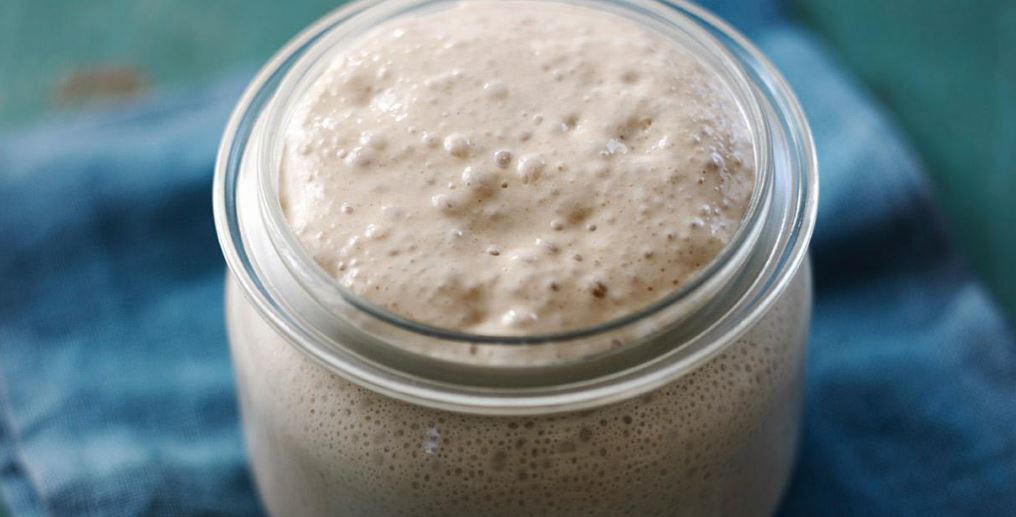

Sourdough starter is a fermented mixture of flour and water that serves as a natural leavening agent for sourdough bread and other baked goods. It is a living culture of wild yeast and lactic acid bacteria that gives sourdough its unique tangy flavor, chewy texture, and airy structure.
The origins of sourdough can be traced back thousands of years to ancient Egypt and Mesopotamia, where people discovered the process of naturally leavened bread. Without the knowledge of commercial yeast, they relied on capturing wild yeast from the environment to ferment their bread dough.
Over time, sourdough became a staple in various cultures around the world, including Europe, where it gained significant popularity. The unique flavors and characteristics of sourdough bread were cherished, and different regions developed their own sourdough traditions and recipes.
Sourdough starter is often referred to as a “mother” or “chef” due to its continuous use and ability to be perpetuated over generations. Bakers would carefully tend to their starters, feeding them with fresh flour and water, allowing the natural fermentation process to occur and maintain the desired qualities in the bread.
PREP: 10 MIN. + STANDING
MAKES: ABOUT 3 CUPS
INGREDIENTS
- 1 package (¼ ounce) active dry yeast
- 2 cups warm water (110° to 115°)
- 2 cups all-purpose flour
INSTRUCTIONS
- In a 4-qt. nonmetallic bowl, dissolve the yeast in warm water. Let it stand for 5 minutes to activate the yeast.
- Stir in 2 cups of all-purpose flour until the mixture becomes smooth.
- Cover the bowl loosely with a clean towel and let it stand in a warm place (80°-90°) to ferment for 48 hours. During this time, make sure to stir the mixture several times daily. You will notice that the mixture becomes bubbly and rises, develops a “yeasty” sour aroma, and a transparent yellow liquid forms on the top.
- The sourdough starter is now ready to be used in your favorite sourdough recipes. It can be stored in the refrigerator for up to 2 weeks. Remember to use and replenish it at least every 2 weeks to keep it active and healthy.
- To replenish the starter, discard a portion of the existing starter or use it for baking. Then, add equal amounts of flour and water (e.g., 1 cup each) to the remaining starter and stir well to restore the volume. This process ensures that the starter remains active and maintains its leavening power.
By following these steps, you can create and maintain a sourdough starter that will provide you with a continuous source of natural leavening for your sourdough bread and other baked goods. Enjoy the rich flavors and delightful textures that only a well-cultivated sourdough starter can bring!
TIPS:
- Use a non-metallic container, such as glass or food-grade plastic, to store and ferment your sourdough starter. Metal can react with the acidic nature of the starter and affect its flavor.
- Maintain a consistent feeding schedule for your starter. This helps keep the yeast and bacteria active and ensures a consistent rise in your bread. Consider feeding it once or twice a day, depending on your baking frequency.
- Keep your starter at a consistent temperature, ideally between 70°F and 85°F (21°C and 29°C). This temperature range encourages fermentation and microbial activity.
- If you want to adjust the flavor profile of your sourdough bread, experiment with different types of flour in your starter feedings. Whole wheat, rye, or spelt flour can add unique flavors and nuances to your bread.
- If your starter develops a layer of liquid on top (known as “hooch”), don’t worry. It’s a natural byproduct of fermentation. Simply stir it back into the starter or pour it off before feeding.
- If your starter becomes too large to maintain or you need to take a break from baking, you can discard or give away a portion of it. Alternatively, you can reduce the size by discarding a portion and feeding it with smaller amounts of flour and water.
- Don’t be discouraged if your starter doesn’t show immediate signs of activity or if it takes a few days to develop its full potential. It can take time for the microbial community to establish and for the starter to become robust.
- Pay attention to the aroma of your starter. A healthy sourdough starter should have a pleasant, slightly tangy smell. If it develops any off-putting or foul odors, it may indicate that the starter is contaminated or needs to be refreshed.
- When using your sourdough starter in recipes, remember to adjust the amount of flour and water accordingly. The hydration level of your starter (i.e., the ratio of flour to water) can affect the texture and consistency of your dough.
- Explore various recipes and techniques for using your sourdough starter. From bread to pancakes, waffles, and even pizza dough, there are numerous delicious possibilities to explore with your homemade starter.


