
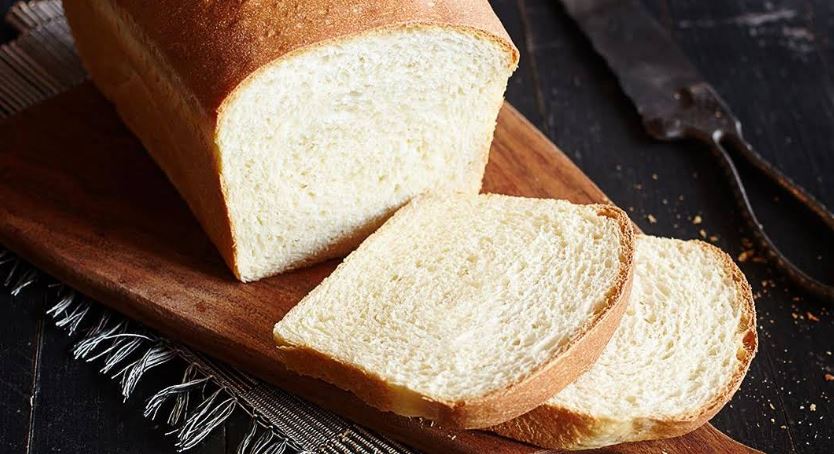

Crisco Milk Bread is a comforting and versatile creation that embodies the warmth of home baking. With its soft crumb, subtle sweetness, and tender texture, this bread invites you to embrace the age-old tradition of breaking bread and sharing moments of togetherness. Crisco Milk Bread is more than just a staple; it’s a testament to the craftsmanship of baking and the joy of creating nourishing treats that bring people together.
The history of Crisco Milk Bread takes us back to a time when bread was a fundamental part of daily life. Baking bread was not only a practical necessity but also a cherished ritual that brought families and communities closer. The introduction of Crisco, a pioneering brand of vegetable shortening, brought new possibilities to bread-making. Crisco’s role as a fat source enriched bread recipes, contributing to their texture and flavor.
Milk has long been revered as a valuable ingredient in baking. Its inclusion in Crisco Milk Bread not only provides moisture but also adds a delightful richness that elevates the bread’s taste and character. As families embraced this recipe, Crisco Milk Bread became a staple on kitchen tables, adorning breakfast spreads, accompanying meals, and forming the foundation of sandwiches.
The process of making Crisco Milk Bread reflects the dedication and patience of bakers of yore. The gradual blending of ingredients, the gentle kneading, and the artful rising process pay homage to the time-honored techniques that have been passed down through generations.
INGREDIENTS
- 3 tablespoonfuls sugar
- 3 tablespoonfuls melted Crisco (vegetable shortening)
- 2 tablespoonfuls salt
- 1 yeast cake
- 1 quart milk
- About 7 pints flour
INSTRUCTIONS
- Begin by mixing the yeast cake with 1 tablespoonful of sugar. This step activates the yeast, allowing it to become frothy and ready for fermentation.
- Heat the milk until warm, then add the remaining sugar, melted Crisco, and salt. Mixing these ingredients into the milk forms the foundation of the bread’s flavor and structure.
- Allow the milk mixture to cool to a temperature that won’t kill the yeast. Then, incorporate the activated yeast mixture.
- Gradually add the flour to the milk mixture, stirring until a stiff dough forms. The flour provides structure to the bread and determines its texture.
- Turn the dough out onto a floured baking board and cut it into three pieces. Knead each piece of dough individually, stretching it to develop gluten and ensure a soft, elastic crumb.
- Let the dough rise overnight or in a warm environment for approximately five hours. The rising process allows the yeast to ferment the dough, enhancing its flavor and creating air pockets that contribute to its light texture.
- After rising, knead the dough lightly to release any excess air. Divide the dough into Criscoed pans, shaping it into loaves.
- Allow the dough to rise once again. The second rising enhances the bread’s final texture and flavor.
- Preheat the oven to a moderate temperature and bake the Crisco Milk Bread for about one hour, or until the loaves are golden brown and sound hollow when tapped.
- The same dough can be used to create variations like French bread, breadsticks, horse shoe rolls, and French rolls.
CONCLUSIONS:
- Crisco Milk Bread is a timeless treasure that connects us to the traditions of generations past. Its history reflects the evolution of baking techniques and the role of ingredients like Crisco and milk in creating cherished bread recipes. As you enjoy a slice of Crisco Milk Bread, you’re partaking in a rich legacy—a testament to the artistry and heart that go into crafting nourishing and delightful baked goods.


